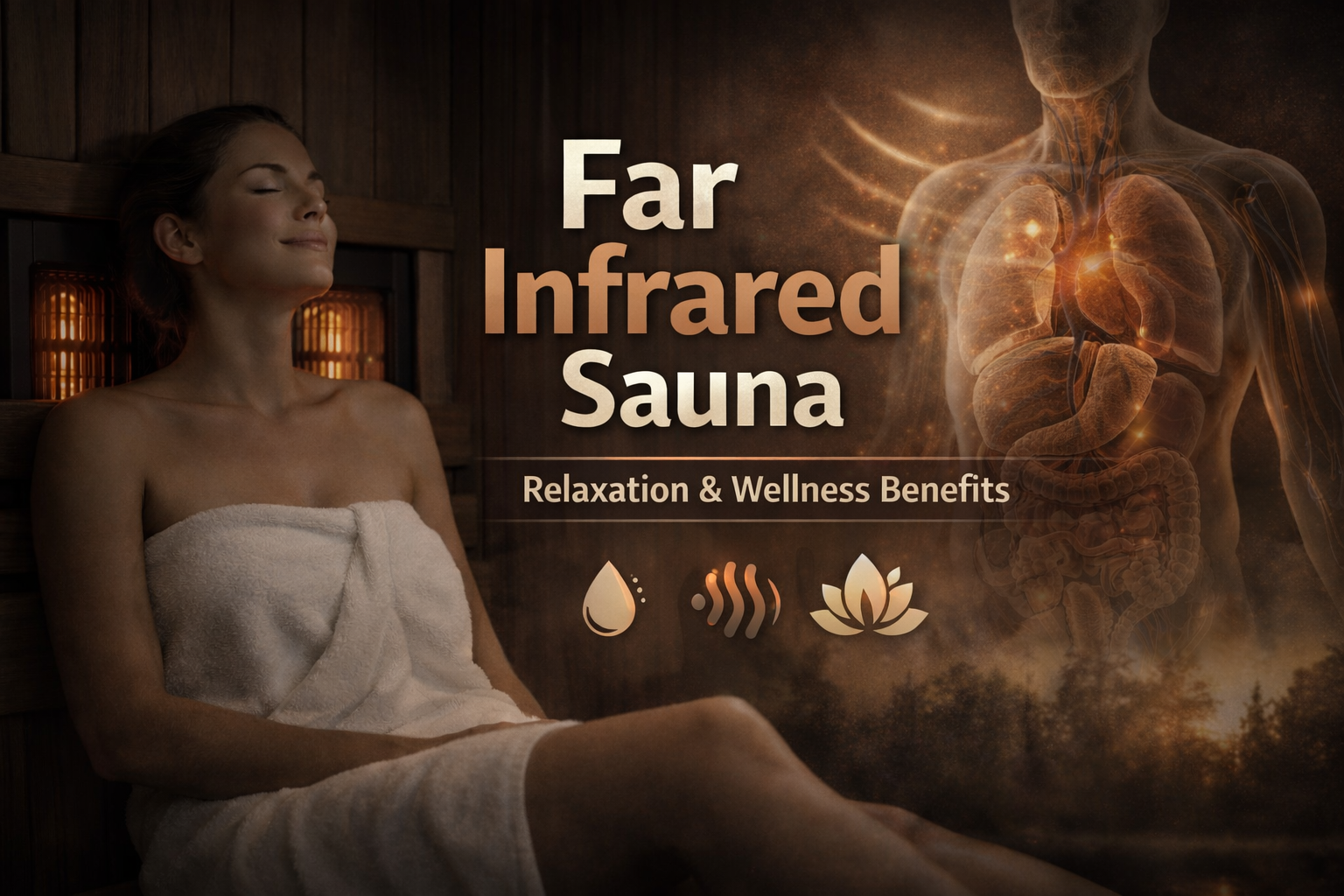
Interest in infrared technology has grown steadily across Australia as more people explore natural, non invasive ways to support relaxation and recovery. Many health conscious individuals are now researching different types of infrared exposure, particularly far infrared sauna systems, to better understand how they work and what they may support.
At integrative clinics such as Beyond Good Health Clinics, wellness is approached through education, lifestyle alignment and evidence informed strategies. When considering any new modality, it is important to separate marketing language from physiological reality.
This guide explains how far infrared technology works, how it compares to other infrared wavelengths and what current understanding suggests about sweating, circulation and recovery.
What Is Far Infrared Heat
Infrared energy is part of the electromagnetic spectrum and is experienced as heat. Unlike traditional convection heat, which warms the air first, infrared heat is radiant. It travels in waves and is absorbed by surfaces and tissues.
A far infrared sauna typically operates within longer wavelength ranges of the infrared spectrum. These wavelengths are associated with gentle tissue warming and lower ambient air temperatures compared with traditional steam rooms.
The experience often feels less intense than high temperature saunas, which makes it accessible to individuals who may not tolerate extreme heat well. The surrounding air remains comparatively comfortable while the body experiences progressive warming.
Far Infrared vs Near Infrared
Understanding wavelength differences helps clarify expectations.
Near infrared wavelengths are shorter and are often associated with more superficial interaction with the skin. These wavelengths are sometimes discussed in the context of circulation and surface level warming.
Far infrared wavelengths are longer and are commonly described as penetrating deeper into soft tissue layers. The emphasis is on gradual warming of muscles and connective tissue rather than high environmental heat.
For individuals comparing technologies, reviewing specifications across established infrared sauna systems can provide insight into how different wavelengths are incorporated into modern units. Balanced information supports informed decision making.
How Heat Penetrates the Body
Radiant infrared heat is absorbed by the body and converted into thermal energy. As tissue temperature increases, blood vessels may dilate, which can support circulation.
Improved circulation allows oxygen and nutrients to move more efficiently through tissues. This physiological response is one reason heat has historically been used in recovery and relaxation practices.
It is important to understand that penetration depth is influenced by multiple variables, including wavelength, tissue composition and exposure duration. Claims of extreme depth should be interpreted cautiously, as responses vary between individuals.
The primary effect remains thermal. Tissue warms gradually, muscles may feel more relaxed and overall comfort can increase.
Sweating Science and Detox Clarification
Sweating is one of the most discussed aspects of sauna use.
The human body sweats primarily to regulate temperature. As internal temperature rises, sweat glands activate to release fluid onto the skin surface, which then evaporates and cools the body.
Sweat contains water, electrolytes and trace amounts of certain compounds. While sweating may assist the body in eliminating small quantities of substances, the liver and kidneys remain the primary detoxification organs.
It is important to avoid exaggerated detox claims. A far infrared sauna may promote deeper or more sustained sweating compared with mild environmental heat, but it does not replace normal organ function.
Hydration before and after sessions is essential to support healthy physiological balance.
Potential Support for Relaxation and Recovery
Heat exposure has long been associated with relaxation. As tissues warm and circulation increases, many individuals report a sense of muscular ease.
Relaxation is not only physical but also neurological. Gentle heat may support parasympathetic nervous system activity, which is associated with rest and recovery states.
In wellness settings such as Beyond Good Health Clinics, recovery strategies often integrate stress reduction, movement and nutritional support. Heat can complement these strategies when applied appropriately and consistently.
Individuals engaging in strength training or physically demanding routines may use heat sessions to support post exercise relaxation. However, heat should not replace mobility work, strengthening programs or clinical treatment when required.
Practical Considerations for Beginners
For those new to infrared exposure, gradual introduction is advisable.
Sessions typically begin at shorter durations to assess tolerance. Monitoring hydration, comfort and heart rate response helps determine appropriate frequency.
Lower air temperatures in far infrared environments may feel more comfortable compared with traditional high heat saunas. This can make regular sessions more sustainable for some individuals.
When researching equipment options, clarity around safety standards, build quality and electrical compliance is essential. Comparing specifications across reputable manufacturers can help ensure safe installation and long term reliability.
Those exploring a far infrared sauna as part of their wellness routine should focus on balanced information rather than broad promises.
Integrating Heat into a Holistic Wellness Plan
Infrared heat exposure works best when viewed as one component of a broader approach to health.
Lifestyle habits such as adequate sleep, structured movement, hydration and nutrient dense nutrition remain foundational. Heat may support relaxation and circulation, but it does not replace these core pillars.
Individuals managing chronic conditions, cardiovascular concerns or pregnancy should consult qualified healthcare professionals before initiating regular heat exposure.
When integrated thoughtfully, far infrared sessions may complement recovery and relaxation strategies within a structured wellness plan.
Conclusion
Interest in far infrared sauna technology reflects a broader shift toward accessible, home based wellness tools. Understanding how radiant heat differs from traditional sauna environments allows individuals to set realistic expectations.
Far infrared wavelengths are associated with gradual tissue warming and lower ambient temperatures. Sweating remains primarily a thermoregulatory function, and detoxification claims should be interpreted carefully.
With balanced information and appropriate guidance, infrared heat can be incorporated into a comprehensive wellness routine that prioritises evidence informed care and long term health outcomes.